

|
|

Plans & Climate
Learn about Air Quality and other plans, efforts to reduce climate change, engage our communities, provide CEQA and other tools to local governments, and to assess health risk at regulated facilities.
Air Quality Plans
Air Quality Plans (or Clean Air Plans) provide a road map to the Air District’s activities to improve air quality and address climate change. Plans are also geared towards helping Bay Area residents, businesses, local governments and other interested parties to understand air quality in the region and how we can all work to protect it, public health, and the climate.
The Air District has been preparing plans to fulfill State and federal air pollution reduction requirements since 1982. The most recent, the 2017 Clean Air Plan, was developed as a multi-pollutant plan - an integrated control strategy to reduce ozone, particulate matter (PM), toxic air contaminants, and greenhouse gases.
The control strategy consists of: a combination of proposed regulations to be adopted and enforced by the Air District; grant and incentive programs; public education and outreach programs; and partnerships with other agencies and stakeholders. The Bay Area’s air quality plans are prepared in cooperation with the Metropolitan Transportation Commission, the Bay Conservation and Development Commission, and the Association of Bay Area Governments.
Public Participation Plan
The Public Participation Plan serves as a guide to provide meaningful opportunities for communities to engage with the Air District as we conduct our mission to protect and improve public health, air quality and global climate.
Health Risk Assessments
To assist the public in understanding actions to control air pollution, the Air District publishes assessments of health risks posed by selected industrial sources and emissions minimization plans developed under Air District regulations.
Other Plans, Tools and Programs
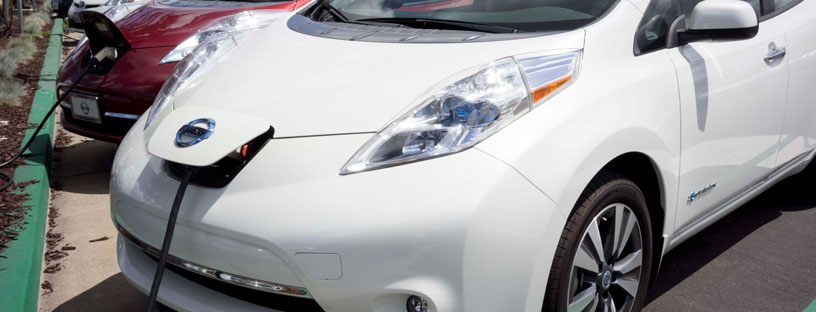
The Air District provides tools and technical assistance to help Bay Area communities address air quality impacts and participate in developing and implementing solutions. The PEV Readiness Plan is helping cities, businesses and residents prepare for electric vehicles, a key component of the 2010 Clean Air Plan. Through the CEQA Guidelines and the Community Air Risk Evaluation (CARE) program, the Air District is providing key technical information and tools to assist residents, businesses and local government agencies to assess and mitigate air quality problems.
Solar Master Plans
The Air District is partnering with KyotoUSA to develop solar master plans for school districts around the Bay Area. With support from an Air District grant, KyotoUSA will provide detailed plans that lay out the solar capacity and financing options for schools interested in generating their own electricity through solar power.
Every kilowatt hour of electricity that is produced from a clean, renewable energy source means that fewer polluting emissions are produced by sources that rely on fossil fuels to generate electricity. Those emissions include climate-altering greenhouse gas emissions (carbon dioxide and methane), as well as pollutants that are harmful to human health (sulfur dioxide, nitrogen oxide, and fine particulates).
Solar projects also provide exceptional economic, environmental, and educational benefits. Participating schools can save money on energy costs, while students and faculty alike can learn about solar technology and climate protection.
To date, the Air District’s partnership with KyotoUSA has delivered solar master plans for several school districts throughout the Bay Area - including Millbrae School District, Piedmont Unified School District, and West Contra Costa County School District.
Last Updated: 7/24/2023